The Proposal That Would Charge Nonresidents for San Marcos River Access
By Allyson Ingram allysoningram838@gmail.com
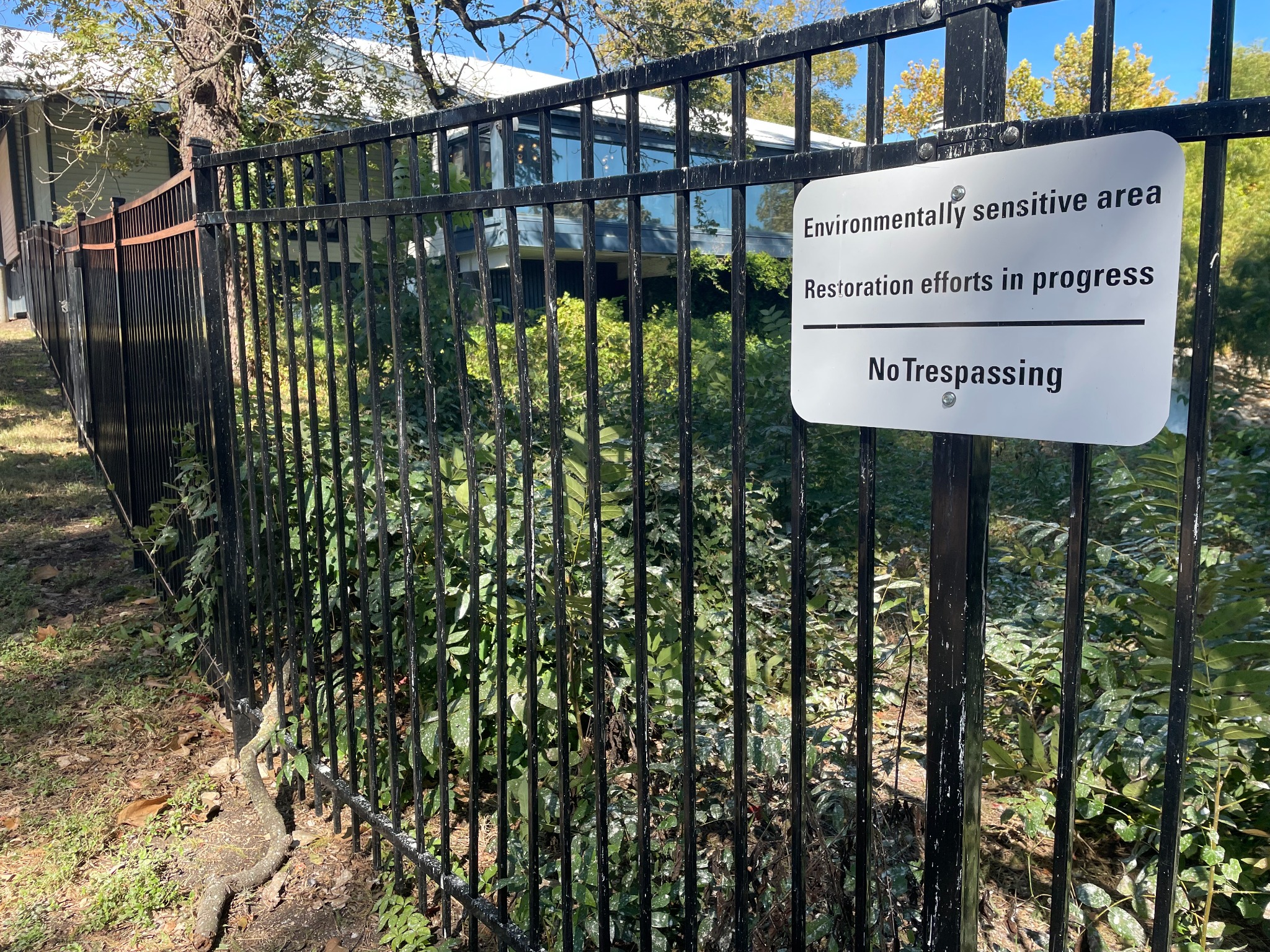
SAN MARCOS, Texas – The San Marcos City Council has tested a managed access plan that would charge nonresident river goers, putting a price on one of the city’s most famous spots. Reception to the idea is mixed, though mostly positive.
The City Council continues to discuss a proposition that would charge single nonresidents five dollars for river access and charge groups $25. Attempts to reach the San Marcos City Council for comment were made, but policy prohibits Council members from discussing proposals. The proposed managed access plan is a system that would have park guests enter through predetermined managed access points.
Clare Zaborowski, a Houston resident that visits the river frequently with her son, is eager to keep the parks less crowded.
“If it potentially keeps it cleaner long-term and less congested, that's potentially a really good thing,” Zaborowski said. “Seeing what happened in New Braunfels… the crowds and the garbage is sad. I think the goal is to try to keep that from happening any way you can.”
The River Holds a Special Place in the Heart of San Marcos
Zaborowski shares this opinion with San Marcos resident Cole Ramirez, who plans to return to the river after graduating from Texas State University and leaving the city.
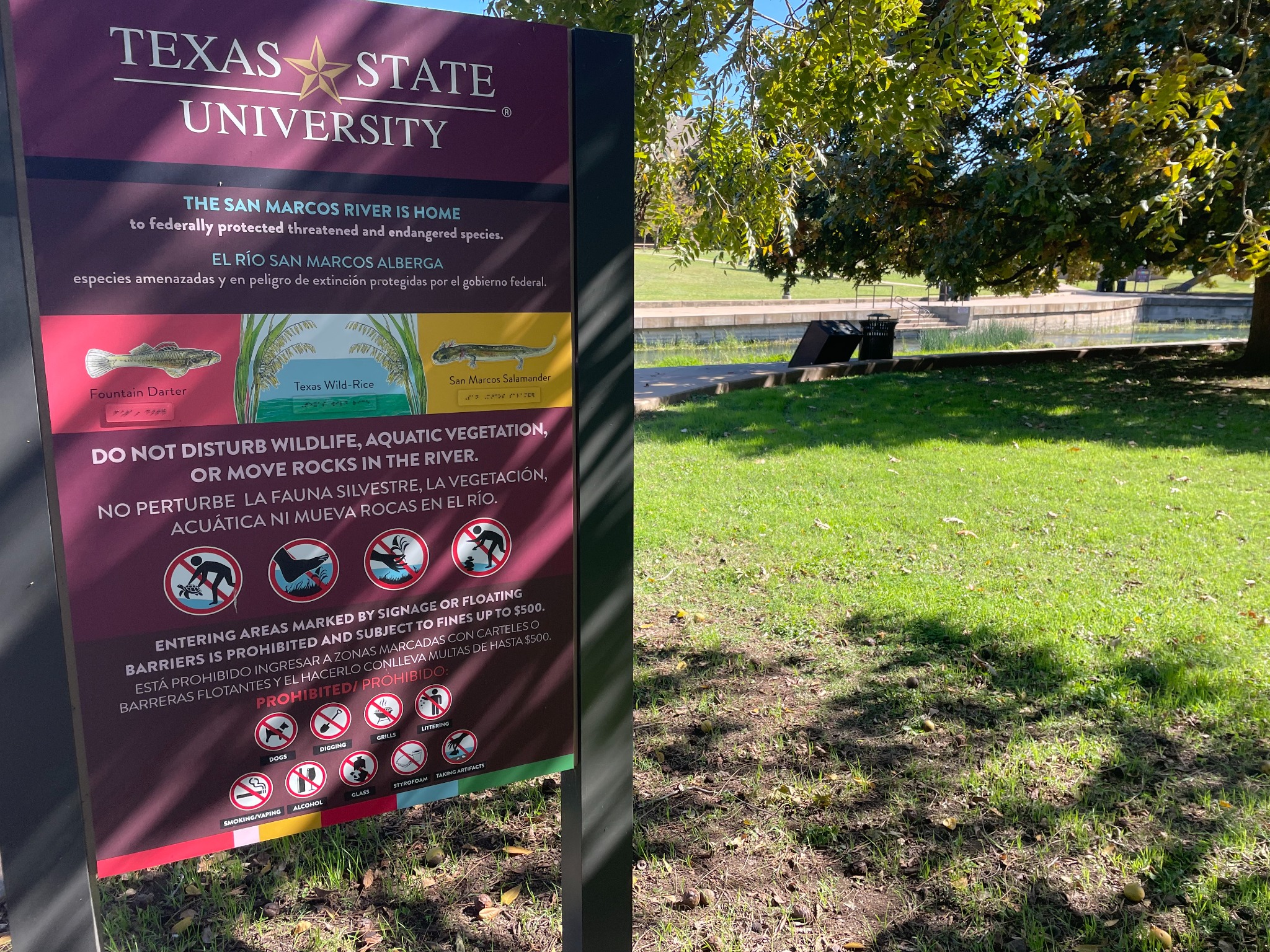
“It's just so beautiful and we don't really have many things like that here in Texas, it holds a really good place in my heart,” Ramirez said. “Especially at parks like Rio Vista and, during the summer they get so swarmed and crowded with out-of-towners and a lot of people who don't understand how sacred and special the river is, and how sensitive it is."
Rivergoes Hope for Appropriate Use of Entry Fee
Ramirez may be ready to pay the fee if it goes toward the river, but if it doesn’t, he isn’t so sure. Ramirez hopes for the money to be used for river upkeep and wildlife preservation, and not for anything unrelated. If the money raised isn’t benefiting the river, Ramirez won’t pay.
“I would pay it only if I knew what the money was going towards and what they're doing it, what they're doing with that money,” Ramirez said. “If they're using it to put money into the river and conserving it and taking care of it, then you know what, I'll pay that. But I think if it was going to anything else, I wouldn't really pay it at all.”
Concerns Over Limited Accessibility
Texas State Alumnus Casey Boriskie has worries that the fee would limit the river’s accessibility. A longtime river goer, Boriskie fondly recalls time spent at the river with family. She fears that a fee in such a time of economic stress would drive people away from the river.
“Financially, times are hard for just about everyone right now, just with the state of how the world is at the moment,” Boriskie said. “It would potentially cut some people off who are more financially unable to do things. I would kind of worry about that in the accessibility side of things, just because it might persuade some people to not go to the river if they can't afford it.”
Successes of the Managed Access Plan
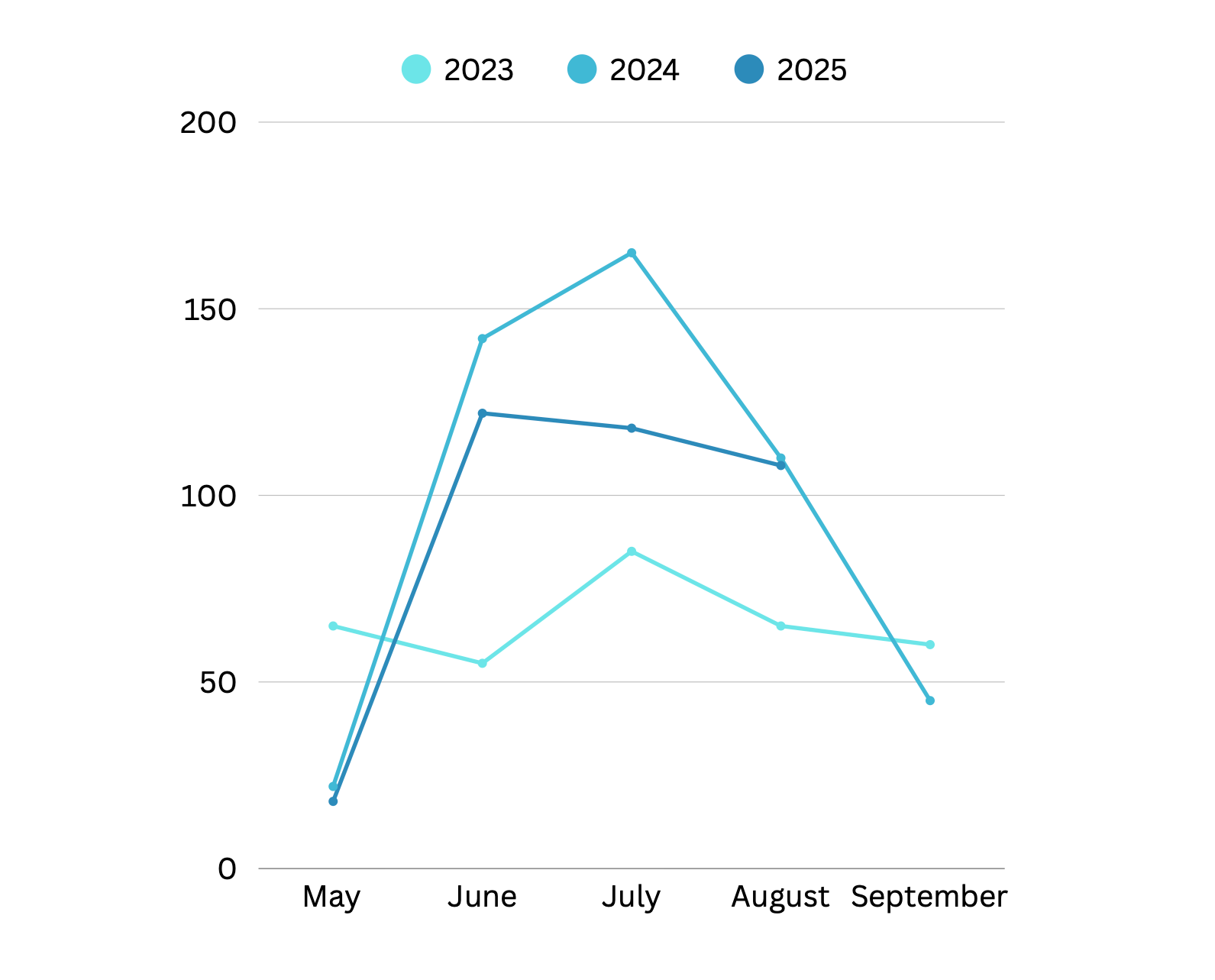
Tests of the managed access plan have seen a decrease in trash and foot traffic. According to the City Council Work Session slideshow, the ability to explain the park’s rules to visitors as they entered through managed access points saw a decrease in common litter violations. Director of Operations at the San Marcos River Foundation Rachel Sanborn is happy for the change and hoping to see more improvement.
Volume of Litter Removed From Parks Each Year
The Plan's Effect on the River's Endangered Species
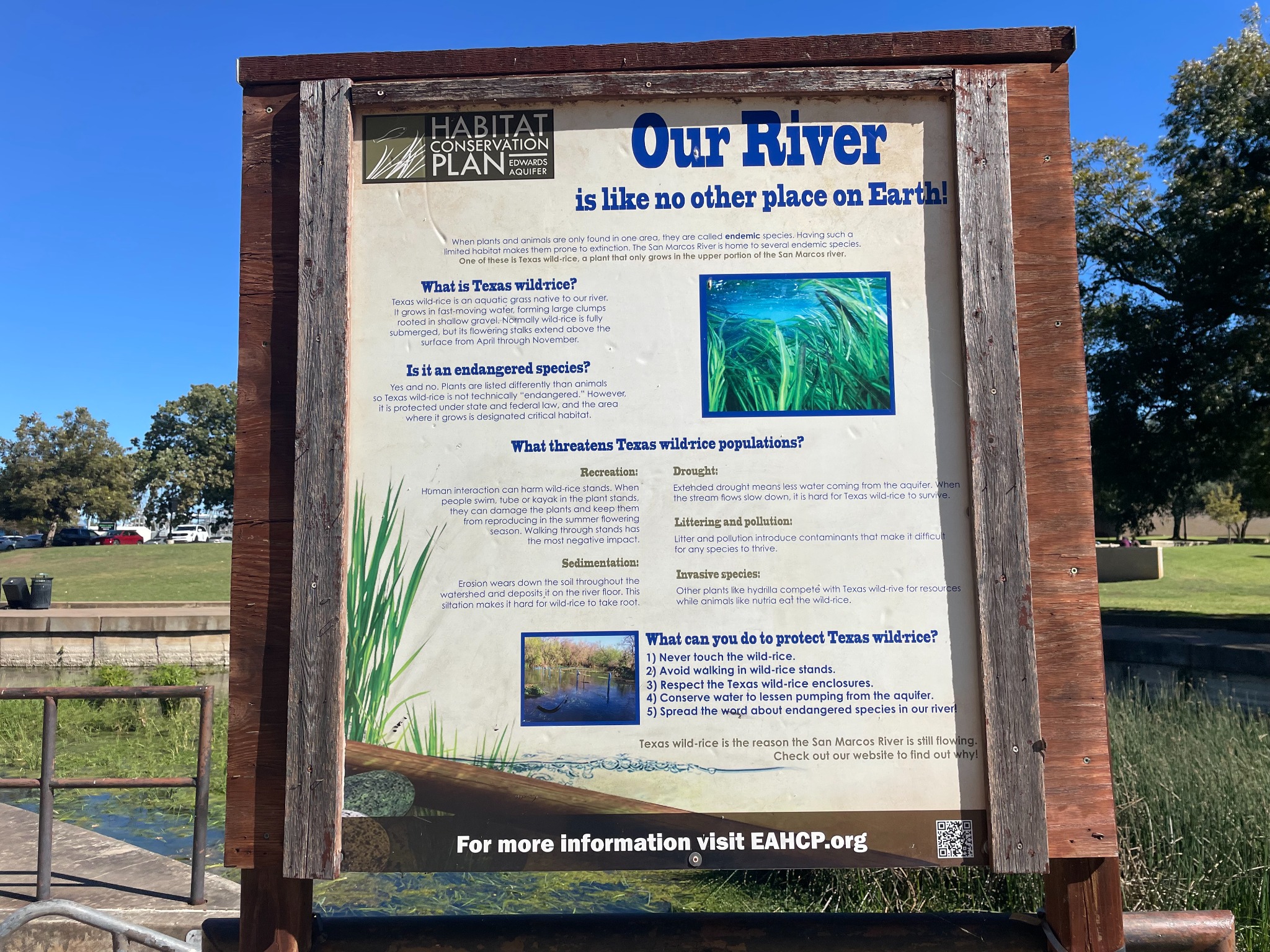
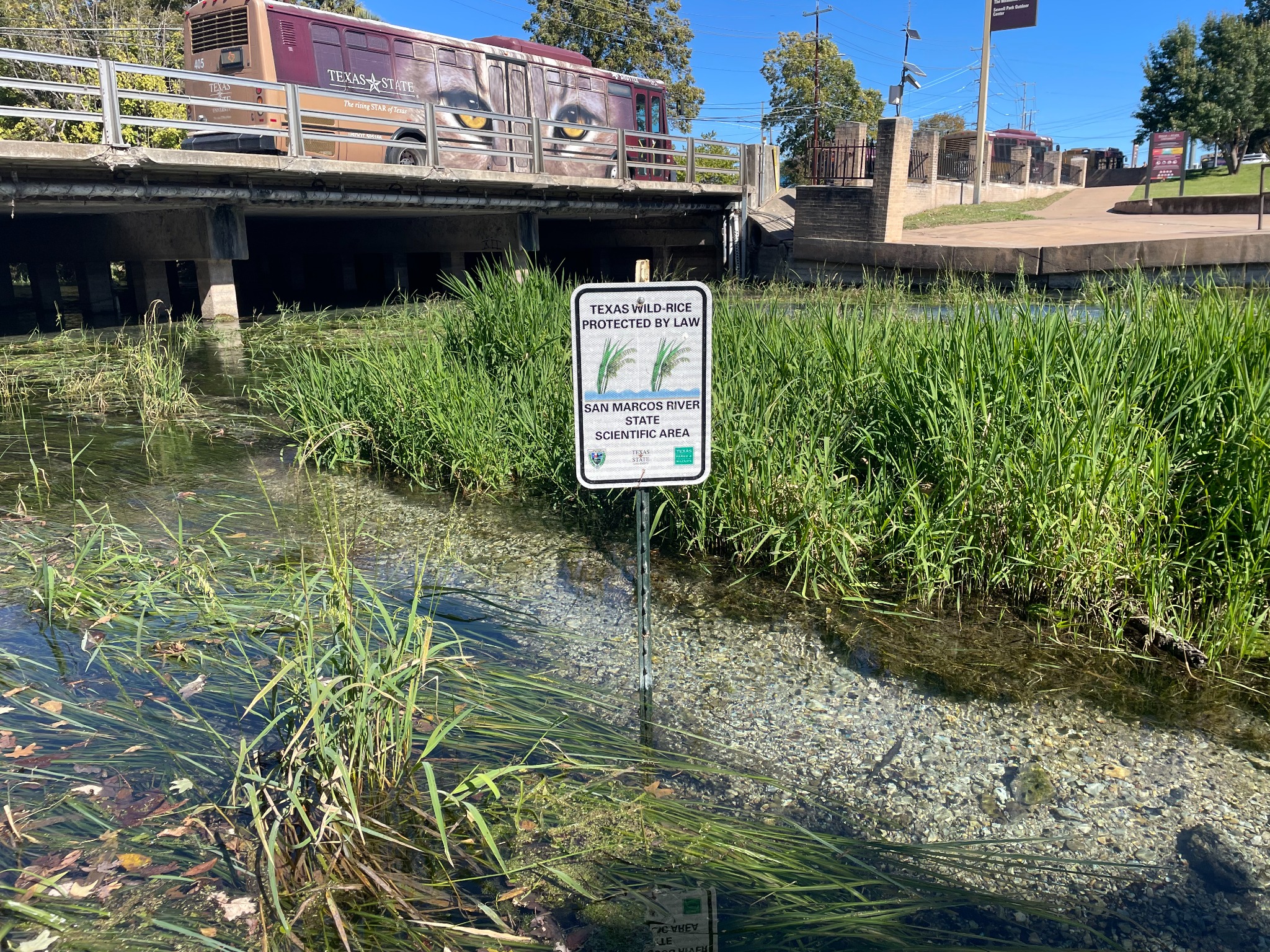
Sanborn says that the high concentration of river visitors puts a strain on the local wildlife. She feels that the reduction of visitors because of the entry fee will benefit the local endangered species.
“The other concern on the river with the number of people and the amount of recreational traffic has always been the concern about how it's going to affect the endangered species in the river,” Sanborn said. “This river would not be here, and the rules in place to govern the aquifer would not be in place if it weren't for the endangered species.”
Post a comment